A New Top 10 Risk Enters the Arena
My first post of the New Year was about my predictions for the 2026 Top Risks for Higher Education. To follow up on this post, I want to highlight one of my favorite resources, United Educators' 2026 Top Risks Report.
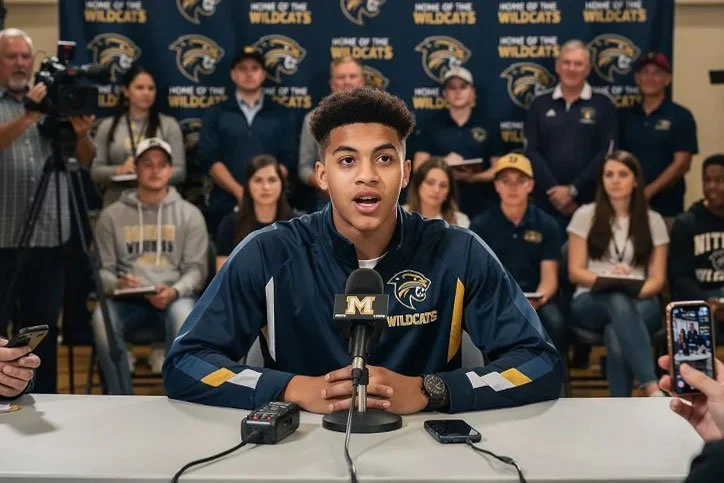
This report is essential reading for all higher education risk managers, executives, boards, and trustees. While some of the risks have been on this list for years, such as cyber and deferred maintenance, a new one has appeared in the top ten for the first time. It is Athletics Risk with a focus on Name, Image, Likeness (NIL) in college sports.
So what does this mean?
Colleges and universities already face a myriad of risks impacting their finances, and NIL is just another hurdle to add to these challenges, never mind the increased liability risk in this uncertain legislative and regulatory environment. However, I wanted to know more about why UE members added this risk to the list.
To dig deeper, I attended a UE webinar that presented key information on this risk. The webinar included a lot of information, especially in the legal arena. Presenters Andrea Barton Stolpe, Partner, Miller Nash LLP; Max Forer, Partner, Miller Nash LLP; and Melanie Bennett (Moderator), Senior Risk Management Counsel, UE, did a great job of breaking down this emerging risk into actionable intelligence.
Key Insights:
To start, this topic is dense. There is so much complexity in this space, especially in the legal environment. I cited a few examples below:
Unresolved Title IX compliance concerns remain.
In addition to federal laws, states have also taken varying approaches to NIL, creating competitive advantages and disadvantages for athletes.
New types of sponsorships and business ventures are growing. This could lead to athletes being taken advantage of, but schools can't provide legal advice without creating additional risks.
The transfer portal and transfer student-athletes can add compliance risks with the NCAA Sexual Misconduct Policy.
Managing NIL is not just complex and costly; it is also administratively intensive.
Student-Athletes-as-employees.
This needs its own section. This matter remains an open item and is mired in a patchwork of legislation. The answer to this question can have major implications for workers' compensation, unemployment benefits, Title IX compliance, tax treatment, unionization rights, and scholarships. However, until there's a more definitive legal resolution, this topic will remain a potential risk for institutions. Furthermore, traditional student-athlete insurance may also not cover NIL-related activities, endorsement shoots, or personal appearances, creating additional liability exposure.
Venture Capital as a risk mitigation?
On non-legal and compliance concerns, I found it particularly interesting how venture capital is entering this arena. One example shared was:
Utah has created a for-profit company, Utah Brand Initiatives LLC, to manage the business side of university brand building and commercialization, in partnership with Otro Capital, a private equity firm that is offering Utah more than $400 million.
Utah is just one example; Michigan, the Big 10, and the Big 12 are also utilizing similar business models.
What can be done to mitigate these risks?
Some of the key takeaways from the webinar and the UE report were:
Involve legal counsel and leverage cross-functional partners' knowledge to help demystify these risks.
Having strong, clear contract language is an essential risk mitigation tool.
Training and education around compliance are extremely important.
Risk managers should engage brokers and insurers to better understand NIL-specific coverage endorsements and prevent insurance gaps, and to establish clear policies about what is and isn't covered.
Be aware that facilities use and on-campus camps can be impacted by NIL.
Schools may have to reimagine their athletics financial model.
Understand the NCAA Sexual Misconduct Policy requirements to avoid reputational and legal risk.
Bottom Line:
As Athletic's Risk continues to transform college athletics, colleges and universities must proactively address these challenges through training and education, cross-functional collaboration, and engage legal counsel to help navigate the rapidly evolving legal and regulatory environment. The emergence of Athletics Risk as a top-ten risk for higher education institutions demonstrates that this topic is no longer just an athletics department challenge—it's an enterprise-wide risk requiring cross-functional attention and leadership resources at every level.