University leaders must understand and possibly broaden their duty-of-care responsibilities in today's volatile geopolitical environment. Ensuring that staff and students have up-to-date plans in the event of safety, health, and legal emergencies is essential. One specific area often overlooked or misunderstood is what the U.S. government can and cannot do in these situations.
What is the U.S. government’s role in civilian evacuation?
You will be disappointed if you think the cavalry will save you or your students in the wake of violence, a natural disaster, or a health emergency. As the U.S. Department of State notes, only on rare occasions will the U.S. military carry out a civilian evacuation.7 In some instances, the Department of State has chartered aircraft or arranged convoys to evacuate U.S. civilians from a dangerous area, but U.S. law mandates passengers pay for the transportation. The flight may not go to the United States but only to the nearest safe point. Once there, passengers fund their stay and onward transportation to America, and they must arrange for any needed visas, vaccinations, or other requirements that the “safe area” requires of visitors.
In 2023, the U.S. military did help U.S. civilians leave Sudan’s capital, where a civil war erupted. However, the evacuation did not occur until two weeks after the fighting began and occurred over land because flights were not possible. Drones, not soldiers, accompanied the group. The trip was long and dangerous.
What can you do to mitigate risk?
Measures, such as a well-crafted safety plan and insurance coverage, can assist and ensure an earlier and safer trip home for staff and students. When planning on an institutional level, include the risk management department, international business office, and your study-abroad team to address these matters proactively and well before trips or assignments.
Whether it is a person’s first time or hundredth time in a country, the changing and sometimes unexpected nature of weather, terrorist attacks, and global health issues mandate a new or updated risk plan every time someone travels. Taking time to implement the plan is crucial. For example, check that all backup communication devices work and will function in the host country.
For health precautions, check the Centers for Disease Control Travelers’ Health page, which lists disease outbreaks and health concerns for countries.8
"Whether it is a person's first time or hundredth time in a country, the changing and sometimes unexpected nature of weather, terrorist attacks, and global health issues mandate a new or updated risk plan every time someone travels."
-Robin Holzhauer
Do you know about STEP?
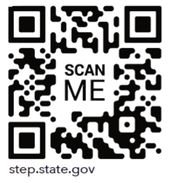
One easy way to stay current on safety and security concerns while overseas is by having staff and students register with the U.S. State Department's Smart Traveler Enrollment Program (STEP).9
This free service emails you the local U.S. embassy’s public messages.
The embassy alerts Americans to protests and potential dangers and advises when not to travel to a country. The alerts also may let people know if international airlines change or suspend flights to and from the country, and will recommend U.S. citizens leave a country if the embassy believes a threat exists. Enrolling in STEP also allows the embassy to contact people if family or friends want to reach them with urgent news.
To be prepared and avoid unnecessary risk, universities should have their students, faculty, and staff check Department of State and CDC travel websites for information and tips, sign up for safety and security alerts, prepare and maintain up-to-date emergency contact methods, invest in travel insurance, and prepare and practice emergency plans. By employing these actions, university leaders can decrease both the individual’s and institution’s risk.

7www.govinfo.gov/content/pkg/USCODE-2014-title22/pdf/USCODE-2014-title22-chap38-sec2671.pdf
8wwwnc.cdc.gov/travel/notices
9travel.state.gov/content/travel/en/international-travel/before-you-go/step.html