Exploring Experience
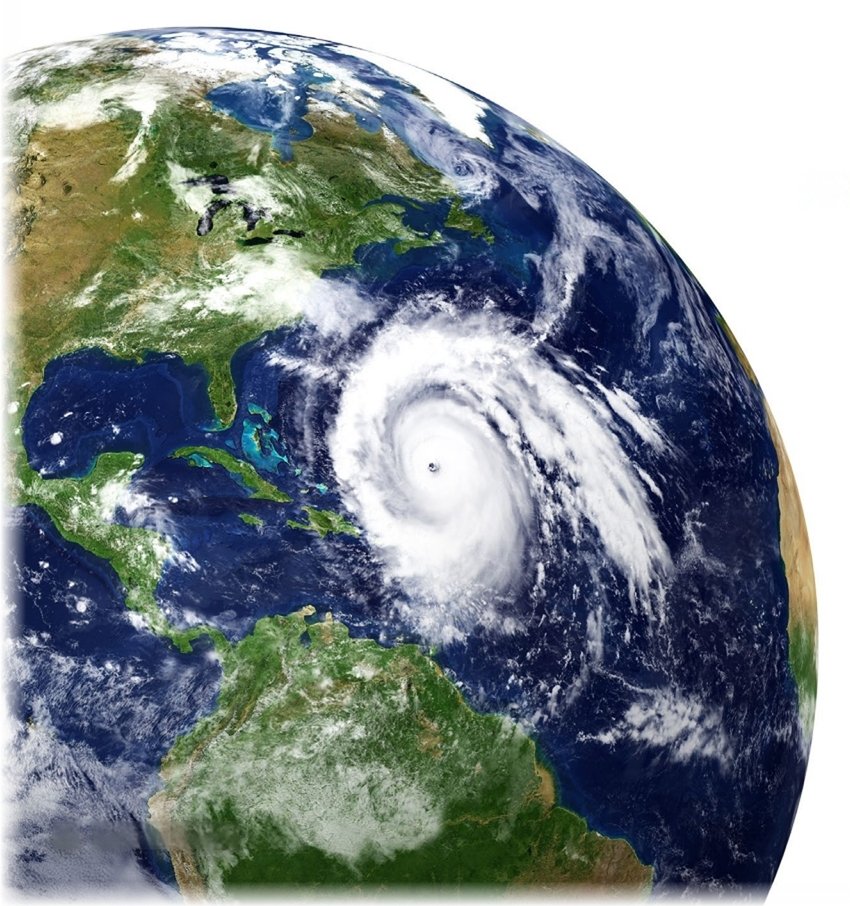
Risk management is a fundamental pillar on which resilience, sustainability, and preparedness are built. For higher education institutions, the term risk management is often associated with policies, frameworks, assessments, and risk registers. However, its true value only becomes apparent when there is a real-world crisis. Hurricane Melissa was such an event that underscored the necessity of effective risk management and resilience planning. In October 2025, Jamaica was shaken by a Category 5 hurricane, a disaster that will be forever etched in the country’s history as the strongest hurricane ever experienced.
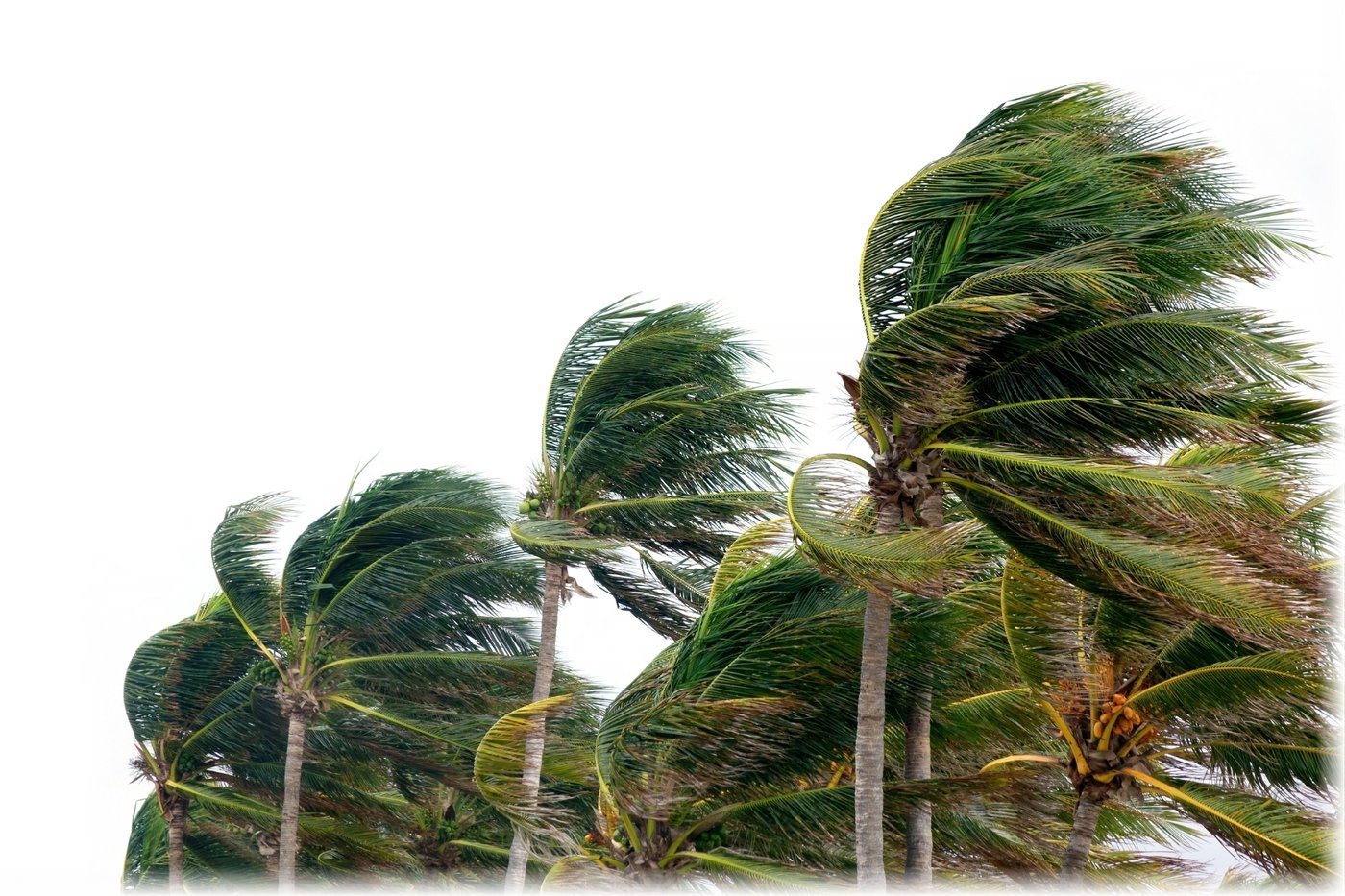
Hurricane Melissa brought catastrophic winds and flooding, which resulted in landslides, widespread infrastructure damage, and loss of lives. Homes were severely damaged, communication networks failed, roads were blocked, and impassable terrains left many communities struggling to reconnect and rebuild.
"Hurricane Melissa is estimated to have caused US$12.2 billion in total damage and losses, equivalent to approximately 56.7% of Jamaica’s 2024 GDP (as estimated in March 2026)."

Amid the widespread devastation, one central lesson emerged: preparedness matters.
Before the Storm
Effective risk management begins long before a hurricane appears on a weather map. It starts with understanding risk by assessing the likelihood of the event occurring and its potential impact if it materializes.
For countries like Jamaica, hurricanes are not unexpected events. However, it has now become increasingly complex to understand how changes in climatic conditions may increase both the severity and frequency of these weather events. This is where risk assessments help to identify vulnerabilities in key areas and their impact on recovery and sustainability. These assessments provide insights that guide decision making and the allocation of resources to reduce risk exposures before a crisis occurs.
Risk mitigation is the next step. It includes testing the effectiveness of business continuity plans, strengthening emergency plans, securing critical data, establishing communication protocols, and educating all stakeholder groups on their roles and responsibilities during emergencies. Although these measures seemed routine on the surface, Hurricane Melissa demonstrated their value when conditions rapidly deteriorated.
At the national level, several measures were implemented to ensure preparedness. Prior to landfall, the Government of Jamaica (GOJ) activated emergency response mechanisms, issued evacuation orders for vulnerable communities, opened shelters, and mobilized agencies under the Disaster Risk Management Act. Public communication efforts intensified, critical infrastructure providers secured operations, and transportation services were adjusted. Those actions highlighted a key principle of risk management: investments made before a crisis often determine the effectiveness of the response that follows.
Crisis Response: Communication and Coordination
When Hurricane Melissa struck, preparedness shifted into response.
Telecommunication disruptions, power outages, and damaged infrastructure created significant challenges for individuals and organizations alike. During those events, crisis communication became a vital tool for driving restoration efforts. All stakeholders relied on timely and accurate information to make decisions relating to safety and survival.
The hurricane reinforced the importance of coordinated action. Effective emergency response requires collaboration among institutional leaders, government functions, emergency responders, and community partners. No single organization or department can manage a major disaster alone. The response was also strengthened by the leadership of the Office of Disaster Preparedness and Emergency Management (ODPEM), which coordinated public advisories, shelter management, and multi-agency emergency operations throughout the hurricane.
Recovery and Resilience
When the winds subsided, recovery began.
The GOJ declared the island a disaster area and initiated a coordinated recovery effort involving damage assessments, restoration of critical services, humanitarian assistance, and rebuilding initiatives. Jamaica’s recovery was further supported by proactive financial risk management, which included contingency financing arrangements, insurance, and a catastrophe bond that provided rapid access to funding after the storm.
Jamaica secured up to US$6.7 billion in international financing to drive national recovery and resilience following the hurricane. Recognizing that this would require sustained leadership and coordination, the government passed legislation in May 2026 to establish the National Recovery and Reconstruction Agency (NaRRA) to oversee and accelerate the country’s ongoing efforts to rebuild following Hurricane Melissa.
NaRRA’s creation signaled a shift from immediate disaster response to long-term resilience building. Its mandate includes coordinating reconstruction efforts, supporting affected communities, strengthening infrastructure, and ensuring that recovery investments enhance Jamaica’s ability to withstand future disasters.
The hurricane has renewed discussions across Jamaica about infrastructure resilience, emergency communications, business continuity, and disaster preparedness. Recovery efforts have continued months later, with some communities still without electricity and proper infrastructure, and many businesses still rebuilding.
At an organizational level, higher education institutions can draw critical lessons from crises and natural disasters such as Hurricane Melissa. Risk management is most effective when embedded in decision making, planning, and institutional culture. Resilience is strengthened through coordinated, people-centered recovery strategies, including flexible academic arrangements, financial support for students, and targeted assistance for affected staff. Community outreach initiatives can also support recovery efforts, while the rapid restoration of critical infrastructure ensures continuity of operations. Strong collaboration across campus units, government agencies, and external partners enhances response effectiveness and accelerates long-term recovery.
The central lesson that higher education institutions can adopt is that resilience becomes the glue built through coordination, relationships, and a shared understanding of responsibilities before a crisis occurs. When the next crisis arrives, the greatest asset will not be the plans written, but the resilience built together.
“When the next crisis arrives, the greatest asset will not be the plans written, but the resilience built together.”
Government of Jamaica, Office of the Prime Minister, National Address on Category 5 Hurricane Melissa, October 2025, and Statement to Parliament on the Aftermath of Hurricane Melissa, November 2025.
Government of Jamaica, Statement to Parliament on the Aftermath of Hurricane Melissa, November 2025. The Government declared the entire island a disaster area and activated emergency recovery measures.
Pan American Health Organization, Situation Report 9: Jamaica – Hurricane Melissa, November 2025.
Jamaica after Hurricane Melissa: Building Resilience through Disaster Risk Financing- Inter-American Development Bank, April 2026.
Post- hurricane recovery spending poised to boost Jamaica’s GDP by 20 percent- Jamaica Information Service, June 2026.
NaRRA Bill Now Law as Government Advances National Reconstruction Programme- OPM Communications, May 2026.